






Managing Risk and Improving Outcomes in a Volatile ACA Marketplace
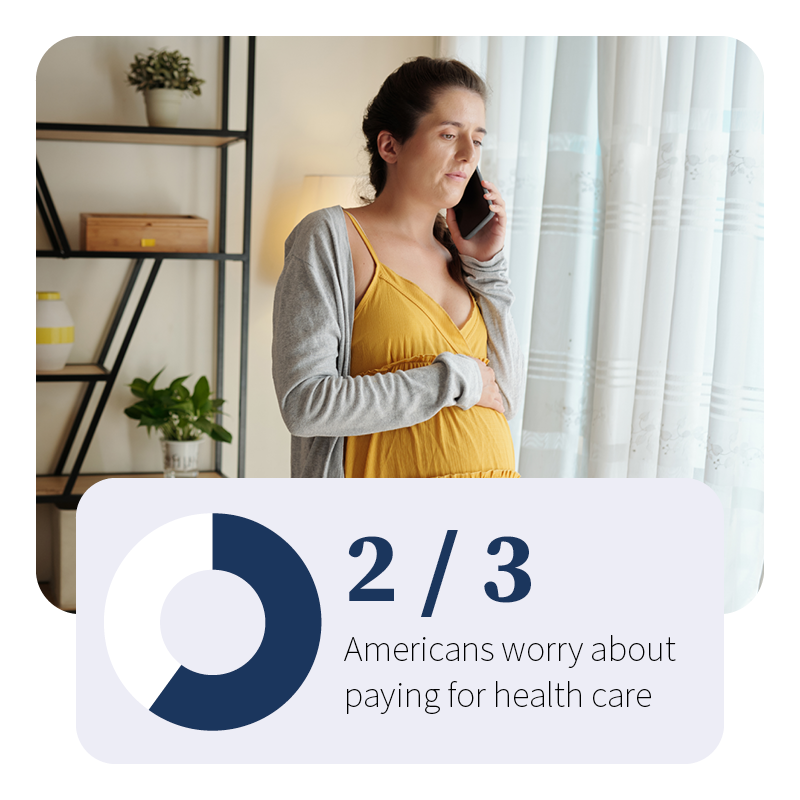
In our 2026 Maternal & Infant Health Trends Report, ProgenyHealth identified a defining challenge for health plans: as enhanced subsidies expire and medical costs rise, Marketplace affordability is deteriorating. This shift is driving coverage gaps and concentrating risk among the members who remain enrolled—making cost forecasting more difficult and raising the stakes for managing high-impact populations.
Few areas illustrate this volatility more clearly than maternal and infant health. From pregnancy through postpartum, risk rarely remains static and can escalate quickly, driving significant cost while directly affecting outcomes and member experience. Although Marketplace plans are required to cover prenatal care at no cost to members, a meaningful gap can exist between services covered and services delivered.
Many Marketplace members are working and insured, yet financially vulnerable. When pregnancy complications or an unexpected NICU admission occurs, unmet social needs—such as transportation challenges, food insecurity, or housing instability—can quickly derail care plans. Addressing social drivers alongside clinical risk helps stabilize care, improve outcomes, and reduce avoidable downstream cost.
Improving outcomes in the Marketplace isn’t just about coverage—it’s about consistent engagement that identifies risk earlier and intervenes before costs and complications escalate. Plans that prioritize early outreach and ongoing support help ensure that both mom and baby receive timely, appropriate care. This work is also foundational to any effective cost containment strategy.
Proven Outcomes with ProgenyHealth
ProgenyHealth partners with Marketplace, Medicaid, and Commercial plans to deliver proactive, data-driven Maternity and NICU Care Management. Our outcomes demonstrate what’s possible when plans invest early:
Maternity Outcomes
- 70% of successfully contacted members enroll in the program
- 90% of enrolled members are risk assessed, including depression and SDoH screening
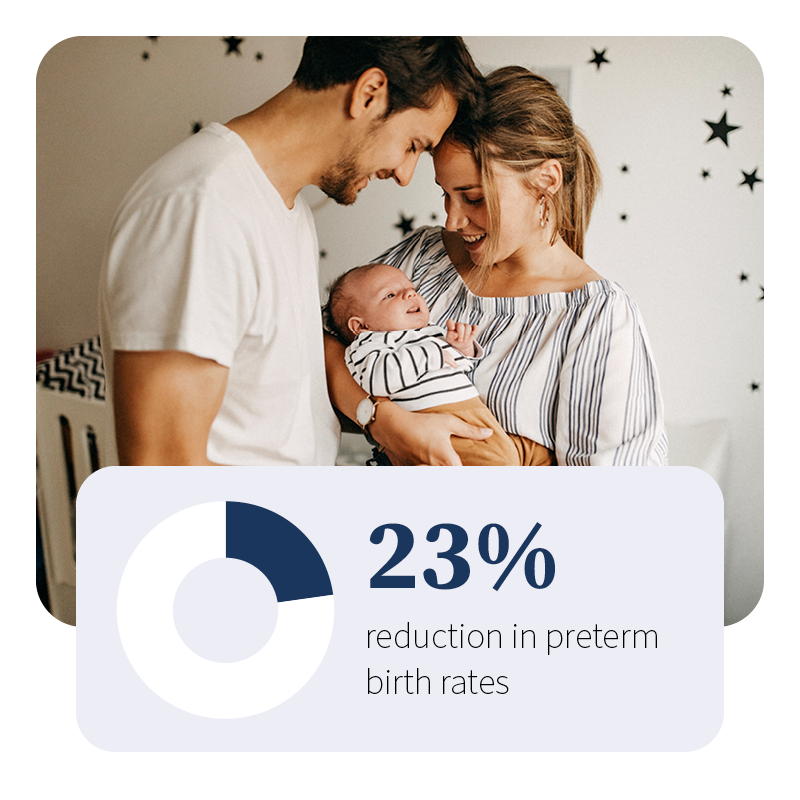
- 23% reduction in preterm birth rates
NICU Outcomes
- 12–16% savings
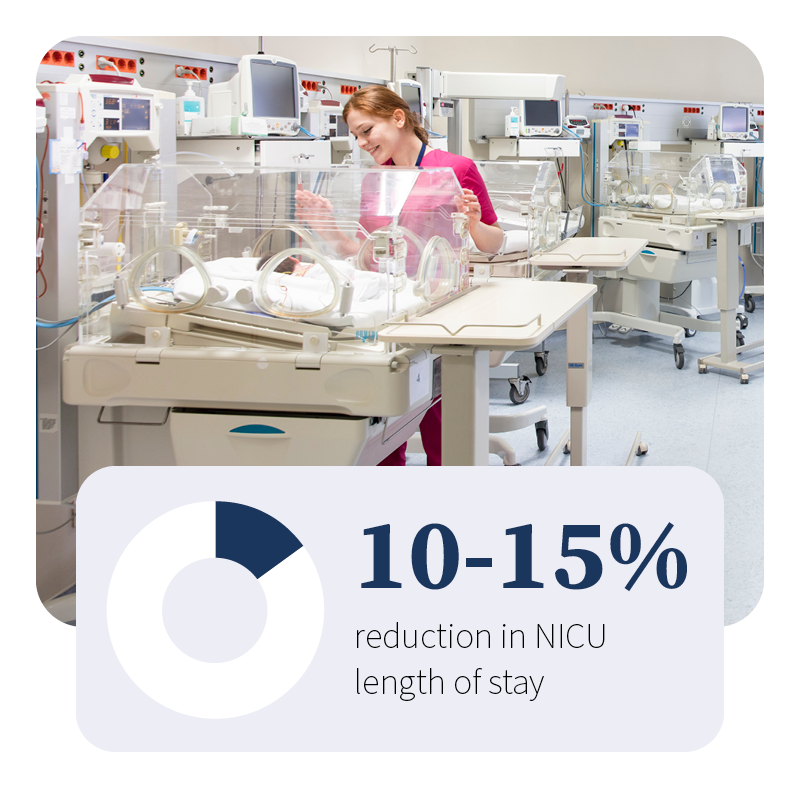
- 10–15% reduction in length of stay
- 50% reduction in readmissions
- 90%+ member satisfaction rate
As premiums rise, maternal and infant health sits at the intersection of volatility and opportunity. Plans that invest in early identification, targeted engagement, and whole-person support can better drive better outcomes for everyone.
 Prev
PrevView All Posts
Stay Informed
Subscribe to the latest maternity + NICU updates & news