


 Filed Under: Infant Health | NICU


Recognizing Prematurity Awareness Month 2025
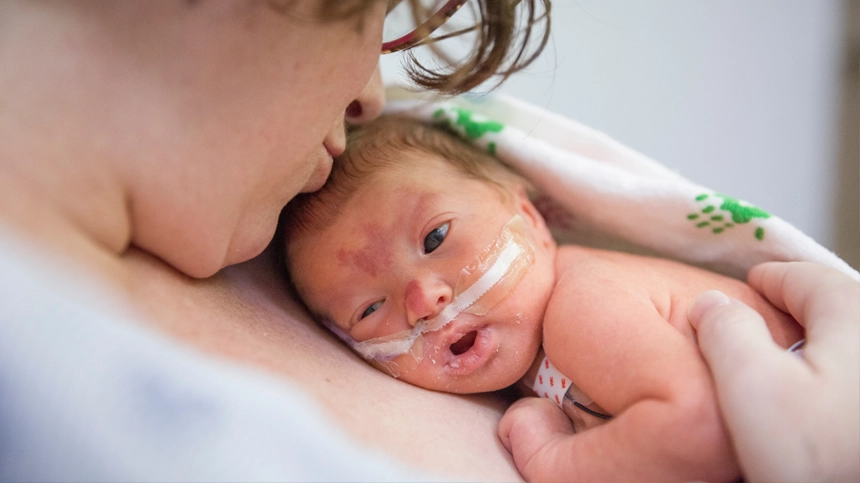
Prematurity Awareness Month may be recognized in November, but premature births persist every day in this country. In 2024 nearly 380,000 babies were born earlier than expected. And every day, two moms die from pregnancy-related causes in the U.S.
According to the March of Dimes (MoD), approximately 1 in 10 infants are born premature, both in the US and worldwide, although the US has one of the highest preterm rates among industrialized nations. And while the preterm birth rate has remained unchanged at 10.4% since last year, racial and ethnic differences in preterm birth rates remain. Form 2022-2024, the rate of preterm birth among Black women (14.7%) was about 50 percent higher than the rate of preterm birth among white or Asian women (9.5% and 9.1% respectively). In addition, premature birth complications are the leading cause of death for children under the age of five. These infants also have increased rates of developmental delays, potentially needing additional resources during their school years.
Beyond the statistics lies the profound impact of preterm birth on mothers and families. From maternal medical complications that often necessitate early delivery to protect both mother and baby, to the traumatic effects on mental health, premature births exact a heavy toll on every member of an infant’s family.
The direct costs of medical care for prematurity are significant in terms of hospital expenses for stays in the Neonatal Intensive Care Unit (NICU). A report from Sun Life found that among the top ten conditions for million-dollar stop-loss claims, NICU-related costs appeared at positions three and six, but other factors like workplace absenteeism and delivery of special education services should also be taken into account.
Here’s the good news: more of these babies are surviving, even in extremely premature births, and are going home sooner. To date, Curtis Means, an Alabama boy born 132 days premature on July 5, 2020, has been certified as the world’s most premature baby to survive.
To ensure mothers, infants, and families achieve the best outcomes possible, health plans must identify strategies and partners with the requisite experience and connections. By partnering with ProgenyHealth, health plans, as well as employers and their TPAs, have a real opportunity to make that happen. We invite you to learn more.
 Prev
PrevView All Posts
Stay Informed
Subscribe to the latest maternity + NICU updates & news