






The Promise of Equality: Writing a new chapter in Black maternal and infant health history
The story of maternal and infant health in the Black community is one of resilience. Unfortunately for countless women, infants, and families, that resilience was born out of generations of hardship that continue to this very day. While the United States grapples with a maternal and infant health crisis, there is much this specific community’s story can teach us.
Past to Present
Following the 1808 law banning the importation of enslaved peoples into the United States, Black women and their bodies would be viewed as means to produce additional sources of free labor. At the same time, the field of gynecology was developing within the United States. Without the ability to willingly consent to treatment, many of these women were exposed to unnecessary or experimental surgeries, often without anesthesia. Culturally, racist stereotypes took root suggesting Black women were more tolerant of pain than their white counterparts.
Today, this legacy of subjugation and its consequences remain. Despite the vast and sweeping provisions of the 1964 Civil Rights Act, which banned race-based discrimination in education and the workplace, representation of Black medical professionals in obstetrics and gynecology is uneven. A 2024 report in the Journal of Clinical Gynecology & Obstetrics found that Black individuals made up about 11% of all OB/GYNs, roughly 2% lower than the 13% of the national population they made up in the 2024 census. When it comes to midwives and doulas, the numbers are worse. Only about 7% of midwives and 9% of doulas are Black.
In terms of maternal and infant health outcomes, the numbers for Black families are far worse than other racial groups. According to data from the Kaiser Family Foundation, Black women are three times as likely as white women to die from pregnancy-related causes (49.4 vs. 14.9 per 100,000 live births). Across the board Black women fare far worse than white women when it comes to rates of preterm birth, low birthweight, and late or no prenatal care.
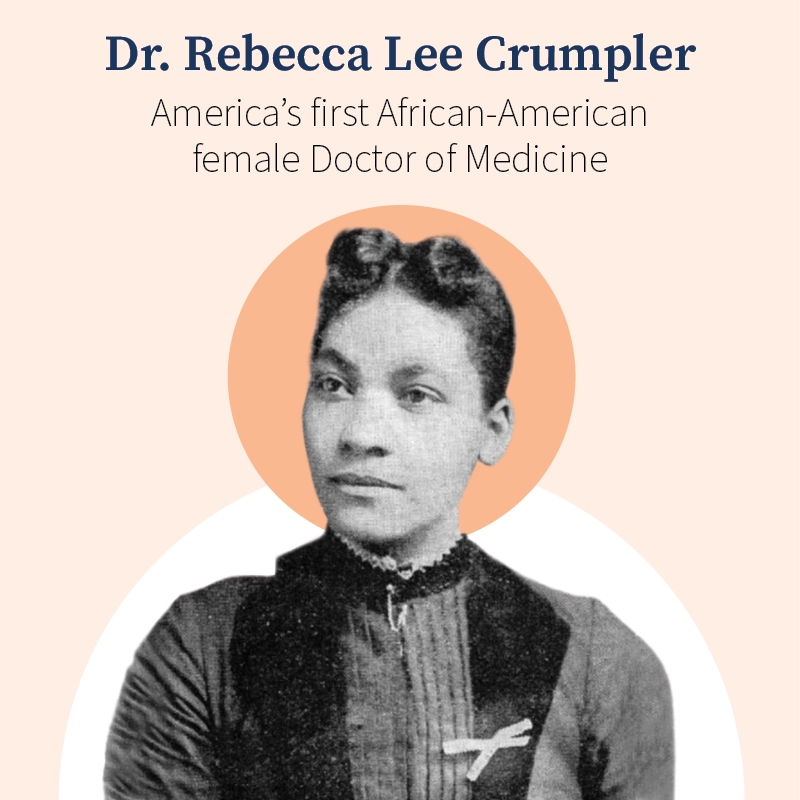
Despite this fraught history, the Black community has been a source of trailblazers and advocates. In 1864, Dr. Rebecca Lee Crumpler graduated from the New England Female Medical College to become the first African American woman to earn a medical degree in the United States. Her work with women and children has since inspired generations of healthcare leaders. Today, Congressional Representatives Alma Adams (NC-12) and Lauren Underwood (IL-14), chair the bipartisan Black Maternal Health Caucus, working to advance legislation that many view as key to addressing historical inequity.
Taking Action Together
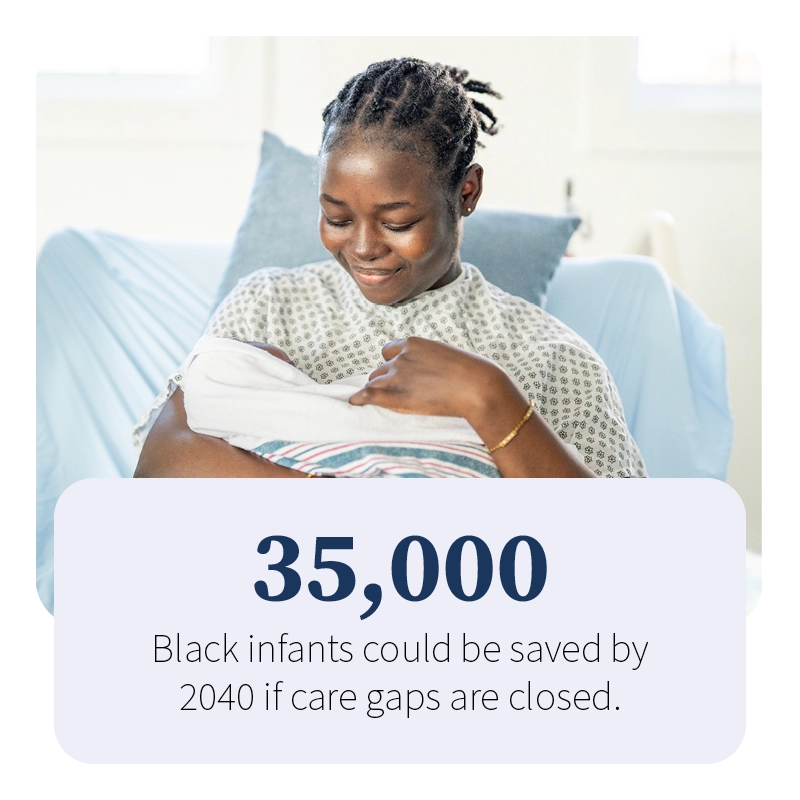
Closing the Black maternal and infant health gap could save the lives of over 3,100 Black mothers and 35,000 Black infants by 2040. But to achieve this goal, policy makers, providers, and stakeholders across the maternal and infant health continuum would need to bring to bear significant resources.
At a basic level, systems and training should be put in place that amplify the voices of Black women and families. The story of Serena Williams and her postpartum near-death experience brought into focus how simply overcoming internal biases and lending an ear can be the difference between life and death. This is where the value of organizations like Black Mammas Matter Alliance, Black Women’s Health Imperative, and March of Dimes becomes apparent. These groups work to fund community-based initiatives, spread awareness, and advance policies aimed at improving equity and outcomes. Chief among the policies advocated by these groups is the “Momnibus”, legislation designed to “comprehensively address every dimension of the maternal health crisis in the U.S.”
Second, encouraging the training of more Black doulas and midwives could create a more equitable healthcare system. Studies have found that when Black women received support from doulas they experience better outcomes. When these professionals come from backgrounds and communities similar to the women they serve, the results are even more powerful.
At ProgenyHealth, we focus on providing culturally competent, compassionate Maternity and NICU Care Management. This work is founded in a high-tech, high-touch approach that prioritizes understanding risk, meeting women where they are, and collaborating with providers and families. Whether it is identifying in-network providers who reflect the self-image of the members we serve or addressing life challenges such as mental health or transportation, every engagement represents an opportunity to make a life-changing impact.
The Future Starts Now
The history of Black maternal and infant health in the United States is complicated. Today, Black maternal and infant health faces significant challenges. At the same time, there are countless advocates and innovators fighting to make a difference. If we support evidence-based solutions and empower these leaders, we can, together, write a new chapter in this continuing story.
Interested in Learning More?
ProgenyHealth’s comprehensive report on maternal and infant health equity, Unfair Fight, takes a deep dive on this topic and provides a game plan for stakeholders across the entire maternal health spectrum. Click here to read more.

 Prev
PrevView All Posts
Stay Informed
Subscribe to the latest maternity + NICU updates & news