


 Filed Under: Employer & Employee Benefits | Health Economics


The Three Biggest Maternity and NICU Challenges Facing Self-Funded Employers
For self-funded employers operating under Administrative Services Only (ASO) arrangements, maternal and infant health have become increasingly complex to manage.
Rising costs, clinical complexity, and evolving employee expectations have elevated maternal and infant health into a critical business issue, impacting financial performance, workforce stability, and employee experience.
While catastrophic NICU cases often receive the most attention, many organizations are recognizing that the broader challenge extends beyond a small number of high-cost claims. Lower-acuity NICU admissions, maternal complications, and gaps in care coordination can create substantial financial and operational strain across the population.
For employers, the challenge often comes down to three key areas: financial risk, visibility, and employee engagement.
Financial Risk: The Most Unpredictable Area of Healthcare Spend
Cost related to maternal and infant health remain among the most variable categories within employer-sponsored healthcare.
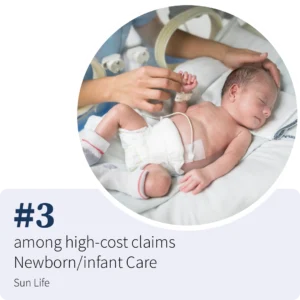
A single premature birth or extended NICU stay can significantly impact annual spend. However, the financial challenge is not limited to catastrophic cases. A larger population of NICU admissions and maternal complications often fall below stop-loss thresholds, yet collectively drive meaningful cost variation.
Employers also face downstream impacts, including extended leave, delayed return-to-work timelines, and workforce disruption.
As costs continue to rise, organizations are looking for ways to improve predictability, reduce avoidable complications, and better understand the drivers of this spend.
Visibility: Understanding What Traditional Reporting Misses
For many employers, limited visibility into maternal and NICU utilization remains a key challenge.
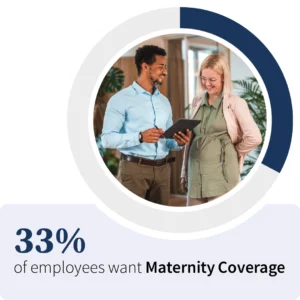
Traditional reporting may identify large claims but often fails to provide a complete view of utilization patterns, including acuity trends, length of stay, readmissions, and gaps in care coordination.
Without deeper insight, employers may struggle to identify:
- Emerging high-risk pregnancies
- Opportunities for earlier intervention
- Trends in NICU utilization
- Areas of avoidable variation
- Gaps in employee support
This lack of visibility makes it difficult to proactively manage maternal and infant health while balancing financial and workforce priorities.
Employee Engagement: Maternal Health Is Also a Workforce Issue
For employees and families, maternity and NICU experiences are deeply personal and complex.
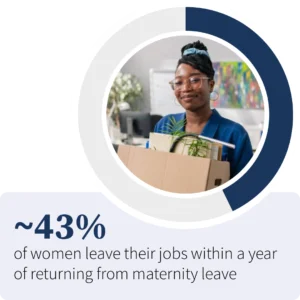
High-risk pregnancies, NICU admissions, and postpartum complications can create significant stress. Navigating multiple providers and care transitions adds further burden during a critical life stage.
These experiences can influence:
- Employee satisfaction and trust
- Workforce productivity
- Return-to-work readiness
- Retention and long-term engagement
Organizations are increasingly recognizing the need for support that extends beyond clinical care, including guidance, care coordination, and ongoing engagement throughout pregnancy and postpartum recovery.
Looking Ahead
These challenges are reshaping how employers approach maternal and infant health in the ASO environment—reinforcing that maternity and NICU care are not just healthcare issues, but business priorities.
For organizations ready to take proactive steps to manage risk, improve outcomes, and support employees through every stage of pregnancy and postpartum recovery, ProgenyHealth’s Maternity and NICU Care Management solution is designed to address these challenges by delivering earlier identification of high-risk pregnancies, comprehensive care coordination, and data-driven insights that improve both financial performance and employee satisfaction.
 Prev
PrevView All Posts
Stay Informed
Subscribe to the latest maternity + NICU updates & news